
Follow us


What Is a Crawlspace Inspection?
By Rowan Guthrie
August 10, 2024
There’s nothing worse than discovering a musty odor wafting through your home or spotting a suspicious patch of mold in a dark corner. These signs often point to a hidden culprit lurking beneath your feet: your crawlspace.
This May Also Interest You: What Is a Home Energy Audit?
The first step toward a solution for those unpleasant issues begins with a crawlspace inspection. So, what is it? Read on to find out why it’s a crucial but often overlooked task.
The Importance of a Crawlspace Inspection
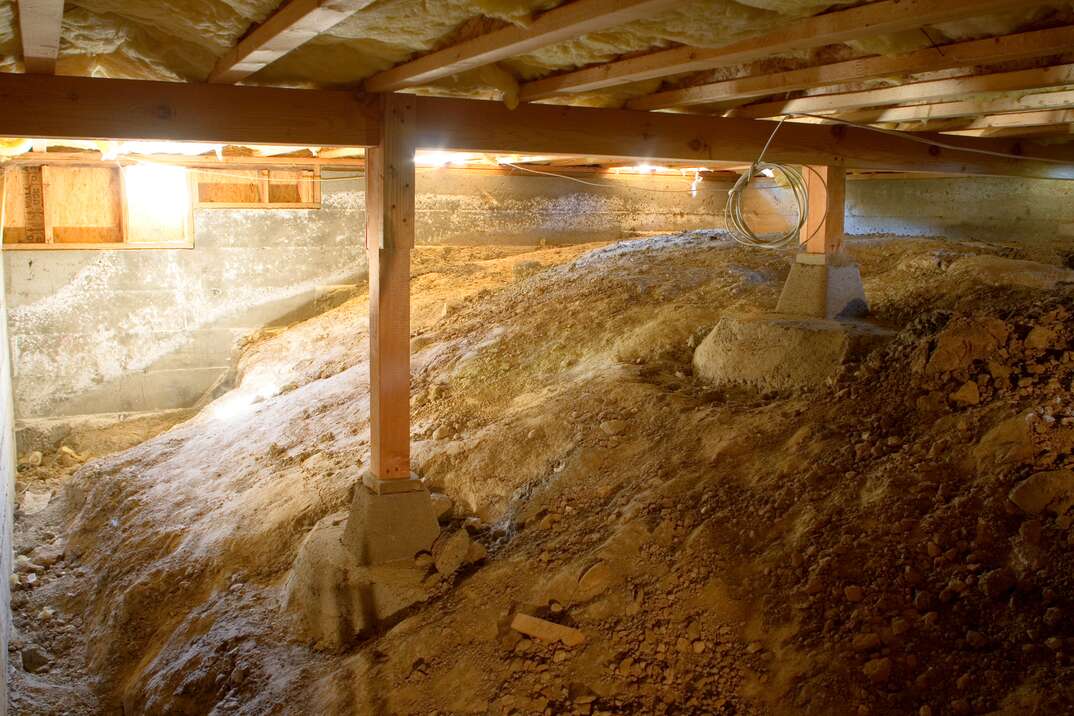
Crawlspaces, typically found in homes without basements, serve as a buffer between the ground and the living space. They provide a convenient location for plumbing, electrical wiring and HVAC systems. However, because they're out of sight, they can often be out of mind, leading to problems that go unnoticed until they become significant issues. Regular crawlspace inspections are crucial for identifying potential problems such as water intrusion, mold growth, wood rot and pest infestations before they escalate.
Who Needs a Crawlspace Inspection?
Every homeowner with a crawlspace should consider regular inspections. Whether you’ve just bought a new home or been living in the same house for years, periodic inspections can help ensure your crawlspace is in good condition. Annual crawlspace inspections are essential, particularly for homes in areas prone to moisture or flooding. They're also highly recommended for older homes where structural components like floor joists and foundation walls may have started to deteriorate over time.
What Does the Inspector Look For?
A crawlspace inspector is trained to look for several key indicators of potential problems. These include:
Water Intrusion
Standing water or signs of past flooding can indicate poor drainage or leaks.
Mold Growth
Mold can affect air quality and indicate moisture problems.
Wood Rot
Rot in the skeleton of your house can compromise the structural integrity of your home.
Pest Infestations
Rodents and insects can cause damage and spread disease.
Structural Damage
Issues with floor joists, beams and foundation walls can threaten the safety of your home.
Vapor Barriers
These are crucial for preventing moisture from entering the crawlspace.
Foundation Vents
Proper ventilation helps maintain air quality and moisture levels.
How Often Should a Crawlspace Be Inspected?
Experts recommend an annual crawlspace inspection to ensure any issues are caught early. However, certain situations may necessitate more frequent checks. For example, if your home has experienced severe weather, flooding or an earthquake, it’s wise to inspect your crawlspace as soon as possible. Additionally, if you notice signs of moisture, musty odors or pest activity in your home, scheduling an inspection can help identify and mitigate the source of the problem.
Crawlspace Encapsulation
One of the solutions that may be suggested during a crawlspace inspection is encapsulation. Crawlspace encapsulation involves sealing the area with a vapor barrier, insulation and sometimes dehumidifiers to control moisture levels. This process can improve energy efficiency, reduce the risk of mold growth and protect the structural components of your home.
The Crawlspace Evaluation Checklist
A comprehensive crawlspace inspection checklist includes several key areas:
Entry Points
Inspect doors and access hatches for proper sealing and security.
Insulation
Check the condition and presence of insulation around ducts, pipes and walls.
Vapor Barriers
Ensure vapor barriers are intact and properly installed.
Water Leaks
Look for any signs of water leaks from pipes or HVAC systems.
Structural Components
Examine floor joists, support beams and foundation walls for any signs of damage or deterioration.
Pests
Check for evidence of rodents, termites or other pests.
More Related Articles:
Benefits of Regular Crawlspace Inspections
A regular inspection by a professional can provide:
Early detection of problems: Identifying issues early can prevent costly repairs down the line.
Improved air quality: Keeping mold and pests at bay helps maintain a healthy living environment.
Enhanced structural integrity: Ensuring the structural components are in good condition helps protect your home’s foundation.
Increased energy efficiency: Proper insulation and moisture control can reduce energy costs.
Choosing a Crawlspace Inspector
For a thorough and accurate assessment, you must choose the right crawlspace inspector. Look for certified professionals with experience in crawlspace inspections and repairs. Read reviews and ask for references, as this will also help ensure you’re choosing a reliable professional.
View Plans in Your Area
Follow us
Popular


Oct 04, 2025

Apr 26, 2021
Get the latest news, tips and promotional messages, including special offers.