
Follow us


Kitchen Sink Not Draining? 6 Fixes That Actually Work
By Lauren Leazenby
January 08, 2026
We've all been there: Over the course of a week or two, the kitchen sink seems to be draining slower and slower until ... nothing. There's no flow at all. Even switching on the garbage disposal doesn't help drain the water away.
This May Also Interest You: How to Use a Drain Snake and Unclog Your Toilet
Clogged kitchen sinks are among the most common drainage issues to plague homeowners, largely because food debris and soap residue can build up over time and cause blockages. Thankfully, clogged drains are also one of the easiest home repairs to tackle, DIY-style.
Clogged Drain? Beware of These Common Plumbing Repair Pitfalls
Before you roll up your sleeves and get into the do-it-yourself spirit, make sure you're aware of the plumbing myths that could lead you astray.
Drop the Drain Cleaner
Don't think Drano and other chemical-based drain cleaners are the easy, go-to fix. The chemicals can sometimes cause more damage to your delicate pipes, even if the clog seems fixed initially. Sometimes, the drain cleaner only makes a small hole in the clog, which allows some water to drain, but it doesn't fix the underlying issue. Plus, backsplash from stubborn blockages could seriously harm your skin and eyes.
Use the Right Plunger
The classic plunger you're thinking of — with the wooden stick and rubber flange — isn't going to work on your kitchen sink. Save that one for the toilet. You need to use a flat-bottomed cup-style plunger so you can get a proper seal in the flat bottom of a kitchen sink.
Don't Make Your Own Tools
If you're stuck with a stopped-up sink and no real tools to solve the issue, it's easy to start looking around your kitchen or tool shelf to find a makeshift option. Please resist this temptation. Poking a metal skewer, unfurled wire coat hanger or other long, metal pokey thing down your drain is a recipe for disaster. It can scratch PVC pipes. And, ultimately, it can just force the clogged gunk into an even tighter ball further down the line, which might require professional equipment to reach.
How to Unclog a Stopped-Up Sink
1. Attack With Boiling Water
When food particles, grease, soap residue and other debris get stuck in your drain, boiling water can loosen the blockage. It's the simplest fix, which means it should be your first move when trying to unclog a sink.
First, bring half a gallon of water to a boil.
Pour the boiling water directly into the drain opening.
Turn on the faucet to see if the water drains in a steady fashion. If it's still draining slowly or standing still in the sink, repeat the process.
If the boiling water fails to dislodge the clog after the second try, it's time to move on to another method.
Important safety note: Don't try this method if your drain is attached to PVC pipes, as the boiling water could melt or damage the plastic, leading to some really costly plumbing repairs.
2. Check the Garbage Disposal
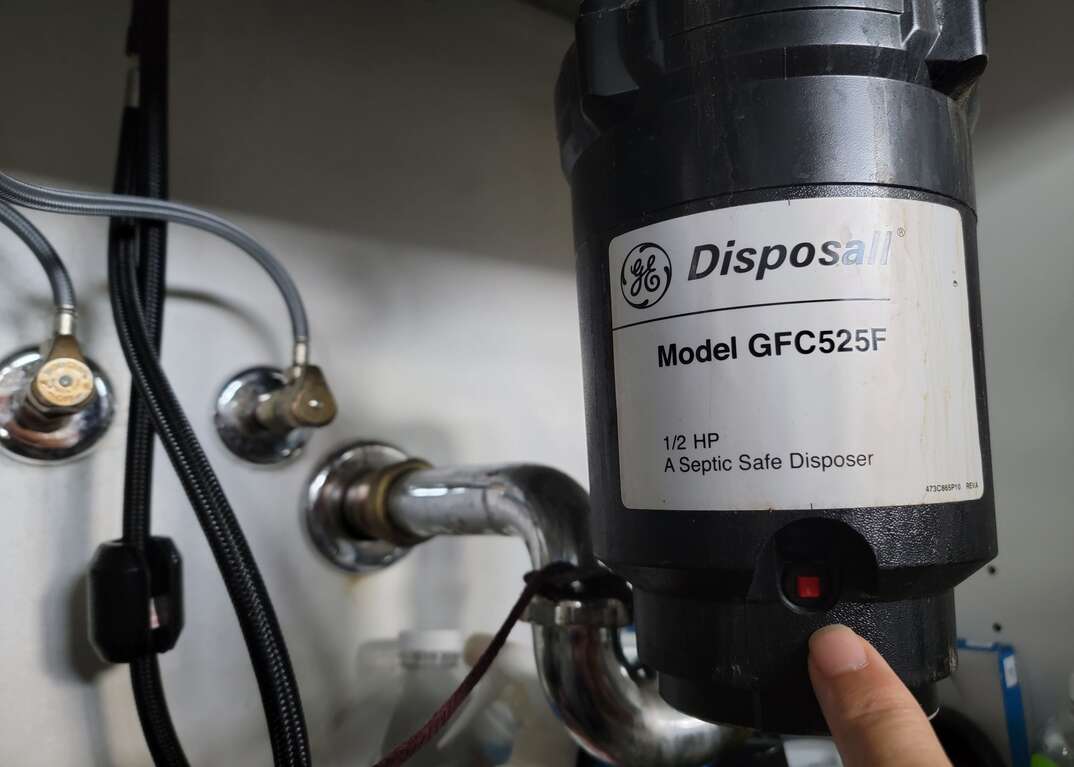
If your sink has a garbage disposal, it could be the source of your drainage issues. Try running it for a few seconds to see if that gets some water draining.
If the disposal is overheated or otherwise won't turn on when you flip the switch, you'll need to reset it. Press the red reset button on the side or bottom of the actual unit (under the sink). And if that doesn't work, insert a hex key into the bottom of the unit. Turn to work the blades manually. This may help dislodge what could be holding on to the blades.
Important safety note: Never put your hands or utensils in a garbage disposal unless you're certain the power is shut off at the breaker.
3. Try Using a Plunger
Once you establish that the disposal isn't the problem, it's time to bring out the flat-bottomed plunger.
Fill the sink with hot water until it's about halfway full and creates a seal around the drain.
Position the plunger over the drain and begin pumping up and down quickly several times.
Remove the plunger and wait to see if the water drains.
Repeat the process until the water drains freely.
If the sink still isn't draining properly after multiple plunging attempts, you know the drill. Time to try a different method.
4. Try Putting Baking Soda and Vinegar Down the Drain
This approach is a natural alternative to using chemical drain cleaners on clogged drains. Baking soda and vinegar are common household items you likely already have in your kitchen, and the chemical reaction they produce can help things flow. Follow these steps to let the mixture work its magic:
Remove standing water from the sink with a cup or bowl.
Pour one cup of baking soda down the drain, using a spatula or spoon to push the powder down the drain if necessary.
Pour one cup of white vinegar down the drain opening.
Place a stopper or cover on the drain to seal the opening.
Let the mixture sit for 15 minutes.
Remove the cover and run hot tap water down the drain.
Use boiling water to break up more intense clogs (only if you have metal pipes, of course).
As with any unclogging method, this baking soda and vinegar alternative doesn't have a 100% success rate. However, if it seems like you're making progress on the clog after completing the steps, repeat the process with another chemical reaction or more boiling water to double down on the blockage.
5. Snake the Drain
So you've made it to the fifth method. You've probably got a pretty nasty clog going on. The clogs that put up a fight will require the strength of a plumber's snake to battle the blockage.
The tool has a coiled spiral snake that reaches down into the drain. Once the snake hits an obstruction, you can crank the handle to dislodge the debris and pull it out of the drain. Electric snakes pack even more power to tackle clogged drains.
Simply feed it down the drain a few feet at a time. Try not to push too roughly, as you might accidentally push the clog further down the pipe. When you feel the tip of your tool hit an obstruction, hook it on and pull the debris up through the drain. Keep doing this until you feel confident that the blockage is gone. Run hot water down the drain to double-check your work.
6. Clean the P-Trap
If the water is still not draining correctly, there might be a blockage in the P-trap — the elbow-shaped pipe under your sink. Part of the purpose of the P-trap is to catch debris so it doesn't cause clogs downstream. But food, grease and other kitchen gunk may build up over time, causing your sink to drain slowly or not at all because the water hits a snag on its way down.
The fix requires disassembling the pipe to clean out the debris that's causing the blockage. This task can get a little messy, so you might want to prepare yourself with gloves, goggles and towels. When you're ready, follow these steps to clean the P-trap:
Place a bucket underneath the pipe. This will catch any backed-up water or debris that may fall out when you open the P-trap.
Unscrew the connectors on the trap that hold the curved piece to the vertical and horizontal drain pipe. There should be a slip nut on either end of the P-trap.
Remove the P-trap and clean the pipe of all debris, grime and residue.
Reconnect the trap. Be careful not to tighten the slip nuts too aggressively. This can crack PVC pipes or cause warping.
Turn on the faucet to run water down the drain.
It's possible the clog is not in the P-trap, but further up the pipe. That said, you may be able to get at the clog while the P-trap is removed.
Repeat the steps from above to remove the P-trap.
Remove the horizontal pipe that connects the system to the wall.
Feed a plumber's snake or auger into the wall pipe. When you feel an obstruction, use your tool to pull the blockage out from the pipe.
Repeat the process until you remove all debris.
Reassemble the pipes and P-trap, tightening the connectors by hand.
Run hot water to flush the drain.
Before you celebrate your handiwork, make sure all the connectors are tightened and watch for leaks under the sink.
More Related Articles:
Snake’s in a Drain! How to Unclog Your Sink With a Drain Snake
Checked Your Storm Drains Lately? Here’s a List of Maintenance Tasks
Prevent Frozen-Pipe Problems by Knowing These Things Down Cold
Au Revoir, Standing Water! How to Install a French Drain in 8 Steps
If Your Sink Is Still Stopped Up ...
If you've made it to this point and your sink still isn't draining, there could be a larger issue at play. It's time to give in and schedule an appointment with a plumber for a professional fix.
How to Prevent Future Clogs
Now that your kitchen sink is draining properly again, make sure you're taking measures to prevent clogs from coming back. The most important preventative measure is refraining from disposing of harmful items down the drain and disposal. That includes:
Grease, fats and oils
Meat
Coffee grounds
Egg shells
Starchy foods, such as pasta, rice or bread
Fruit peels, pits and stickers
Gum
Paint
Paper products, such as paper towels or food wrappers
Instead, pour cooking grease in an old can and dispose of the container once it's full. You can add certain waste, including coffee grounds, to mulch or compost piles. Use a drain cover to catch debris that could clog a standard drain.
Even if you have a garbage disposal that can handle solid food waste, don't overload it with more than a cup of refuse at a time.
View Plans in Your Area
Follow us
Popular


Oct 04, 2025

Apr 26, 2021
Get the latest news, tips and promotional messages, including special offers.