
Follow us


11 Common Issues With New-Construction Homes
By Michael Franco
January 14, 2025
Buying a new-construction home is an exciting milestone, but even brand-new properties can have issues. Builders are human, and mistakes happen. That’s why it’s important to know what to look for when evaluating the quality of your new home.
This May Also Interest You: What’s a Home Improvement Loan and How Do You Get One?
These are the top things to look for when buying a new-construction home.
Uneven Flooring
How to identify it: Walk through the home and pay close attention to the floors. Do they feel uneven or slanted? Use a marble or ball and see if it rolls in one direction without any push.
What it means: Uneven floors could indicate problems with the foundation or subflooring. This might stem from rushed construction, poor site preparation or inadequate leveling during the build. While minor imperfections can be cosmetic, larger issues may point to structural flaws that could worsen over time.
Poorly Installed Doors and Windows
How to identify it: Open and close every door and window. Do they stick, not latch properly or appear misaligned? Check for drafts or gaps between the frames and walls.
What it means: Ill-fitting doors and windows might suggest the house has settled unevenly or that they were installed hastily. Improperly installed windows can lead to energy inefficiency and water leaks, while misaligned doors can affect security and usability.
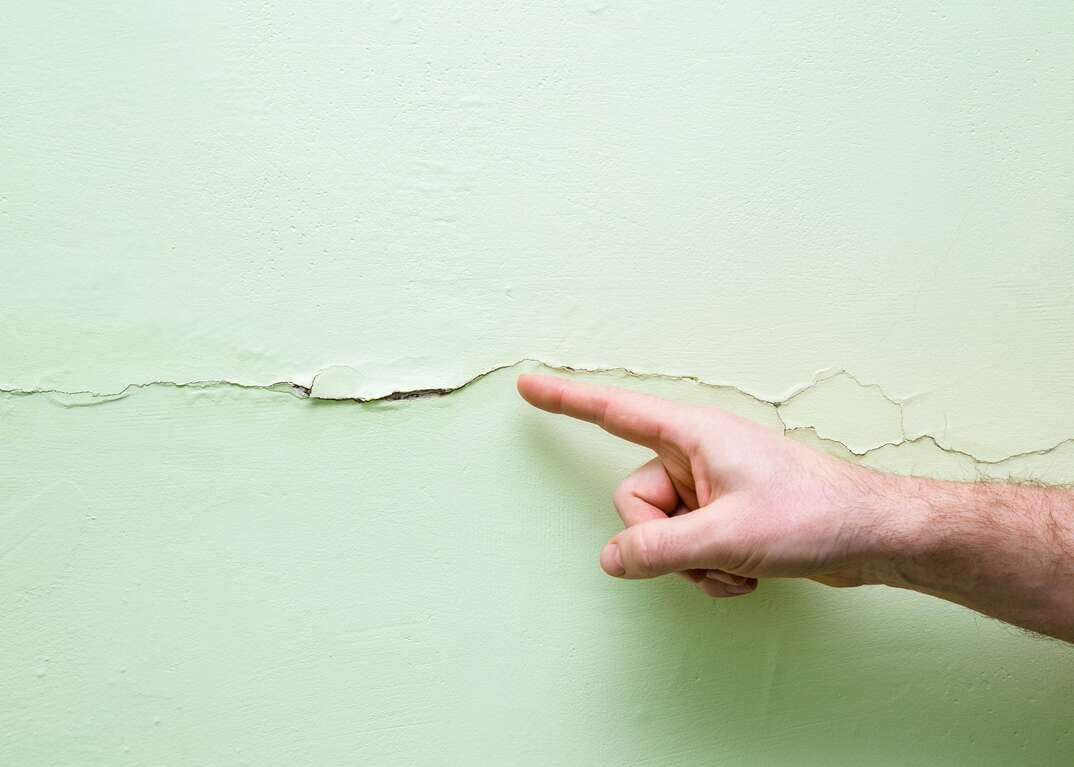
Cracks in Walls or Ceilings
How to identify it: Inspect all walls and ceilings for visible cracks, particularly around corners, windows and door frames. Small hairline cracks are normal, but larger or jagged ones warrant concern.
What it means: Cracks can indicate structural settling, which is common in new homes but could signal deeper issues like poor framing or foundation problems. If cracks are extensive or appear quickly after moving in, it’s worth having a structural engineer assess the situation.
Inadequate Insulation
How to identify it: Check the attic, walls and crawl spaces for insulation. Feel for noticeable temperature differences in different areas of the home and listen for excessive outdoor noise inside.
What it means: Poor or missing insulation can lead to higher energy bills and reduced comfort. This issue might point to shortcuts taken during construction, particularly if the builder was trying to save on costs or rushed to complete the project.
Plumbing Problems
How to identify it: Test every faucet, shower and toilet. Look under sinks for leaks and check that water drains properly. Listen for odd noises, like gurgling or banging, when the plumbing is in use.
What it means: Issues with plumbing, such as leaks or slow drainage, could indicate poor workmanship or low-quality materials. Improperly installed pipes might also lead to future water damage, mold growth or costly repairs down the line.
Electrical Issues
How to identify it: Test all outlets, light switches and appliances. Look for flickering lights or outlets that don’t work. Inspect the electrical panel for proper labeling and organization.
What it means: Electrical problems can range from minor annoyances to serious safety hazards. Faulty wiring or poorly connected circuits might suggest corners were cut during the construction process or that your contractor wasn't experienced in electrical installations. Either can put your home at risk of power outages or even fires.
Roofing Issues
How to identify it: Look at the roof for missing shingles, uneven areas or poorly installed flashing. Inside, check the attic for signs of light penetration or water stains.
What it means: Roofing defects can lead to leaks, mold growth and compromised structural integrity. They might suggest rushed or careless installation or the use of inferior materials, which could shorten the lifespan of the roof and necessitate costly repairs.
HVAC System Deficiencies
How to identify it: Test the heating and cooling system in all seasons, if possible. Listen for strange noises, check vents for consistent airflow and review the system’s documentation to ensure it’s appropriately sized for the home.
What it means: A poorly functioning HVAC system can result in uneven heating and cooling, higher energy costs and frequent breakdowns. This might indicate that the builder used subpar equipment or failed to properly design and install the system for the size of your home.
More Related Articles:
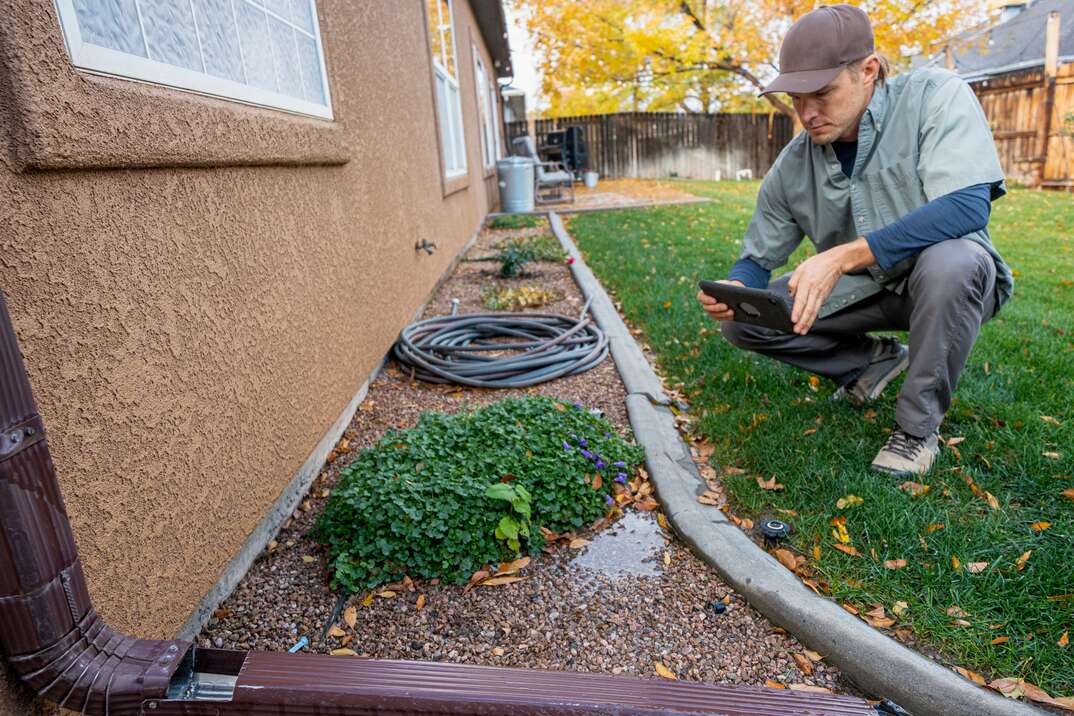
Drainage and Grading Problems
How to identify it: Walk around the property after a rainstorm. Look for standing water near the foundation, in the yard or along driveways and walkways. Check the gutters and downspouts for proper flow.
What it means: Poor drainage or grading can lead to water pooling near your home, increasing the risk of foundation damage, mold and flooding. This issue could point to inadequate site preparation or an oversight during landscaping.
Cosmetic Flaws
How to identify it: Inspect all surfaces, including walls, countertops, cabinetry and flooring, for scratches, dents or uneven finishes. Look closely at paintwork for streaks or missed spots.
What it means: Cosmetic issues might not affect the functionality of your home, but they can signal a lack of attention to detail during construction. If the builder overlooked small things, it’s worth considering whether they might have neglected more critical aspects as well.
Squeaky or Loose Staircases
How to identify it: Walk up and down every staircase in the home. Listen for squeaks and feel for movement or wobbling handrails.
What it means: Loose or noisy stairs might indicate poor craftsmanship or inadequate fastening during installation. While this may seem minor, it can become a safety concern if not addressed promptly.
Foundation Cracks or Shifting
How to identify it: Inspect the exterior foundation for visible cracks, uneven settling or gaps. Inside, look for sloping floors, misaligned doors or windows that stick.
What it means: Foundation issues are among the most serious problems a home can have. They could point to poor site preparation, improper concrete curing or inadequate support. If you notice significant foundation problems, consult a structural expert immediately.
View Plans in Your Area
Follow us
Popular


Oct 04, 2025

Apr 26, 2021
Get the latest news, tips and promotional messages, including special offers.