
Follow us


Less Money, More Problems: 1 in 5 Homeowners Save Zilch for Emergency Repairs Amid Rising Incidents
By Matt Schmitz and Lauren Leazenby
February 11, 2025
Ever heard that overheard-in-a-restaurant quip that goes: The food here is terrible … and the portions are too small! Well, homeowners, we’ve got bad news and worse news, minus any comical irony. So which one ya want first? OK, so, according to HomeServe’s annual State of the Home Survey, a worrisome percentage of homeowners have insufficient money socked away for an emergency home repair. Meanwhile, the frequency of home repair emergencies is on the rise. Oh, also … home repairs are more expensive than ever.
This May Also Interest You: How to Do a Home Inventory Before Disaster Strikes
But it’s not all gloom and doom for your home repair prospects. Myriad ways exist for you to stave off a maintenance emergency in hopes of preventing one from ever happening, as well as to budget for the eventuality that one does. But first, for context: more gloom and doom from the 2024 survey, which culled 2,353 responses from U.S. adults, 89% of whom were homeowners.
Emergencies Up, Savings Down
Some 41% of survey respondents reported having less than $500 set aside for emergency home repairs — while 1 in 5 admitted having nothing at all saved. Those figures compare unfavorably to the previous year’s survey, in which 31% reported having just $500 set aside and 14% had nothing saved. That’s despite homeowners reporting fearing their heat going out in winter more than getting sick, and fearing their AC going out in summer more than encountering a severe weather event — and those fears aren’t unfounded, as the survey also showed.
A growing number of homeowners reported having had a home repair emergency within the previous 12 months. In the 2024 survey, a full three-quarters of respondents said they’d experienced at least one emergency. That’s the highest percentage recorded in the decade since the State of the Home Survey first launched — and 5% higher than the 2023 result, which up to that time had been the highest percentage on record. More than a quarter of 2024 respondents cited an unplanned repair or replacement of their home’s heating, ventilation and air conditioning system as the emergency they’d encountered, while one-fifth of surveyed homeowners had to deal with a clogged or overflowing toilet.

DIY Dilemma or Problem for the Pros?
Despite the surging popularity of the do-it-yourself philosophy among homeowners amid rising materials and labor costs as well as inflation in general, survey respondents weren’t too keen on DIY where it concerns their home’s major systems. When it comes to HVAC repairs, 86% of those surveyed preferred to leave it to the pros; 76% would opt to have their water supply line replaced professionally; 72% would rely on the experts to install a water heater; and 65% would elect to have an electrician inspect their home’s wiring versus taking the risk of checking it themselves.
That being said, homeowners did report taking on some DIY tasks around the house. About 39% said they fill gaps around their windows and doors for winter, 32% said they were “tuning up” their heating system, and many reported having changed their furnace filter.
DIY projects may serve a better purpose as a preventive measure rather than an emergency fix once things go wrong. You know the old adage: an ounce of prevention is worth a pound of cure.
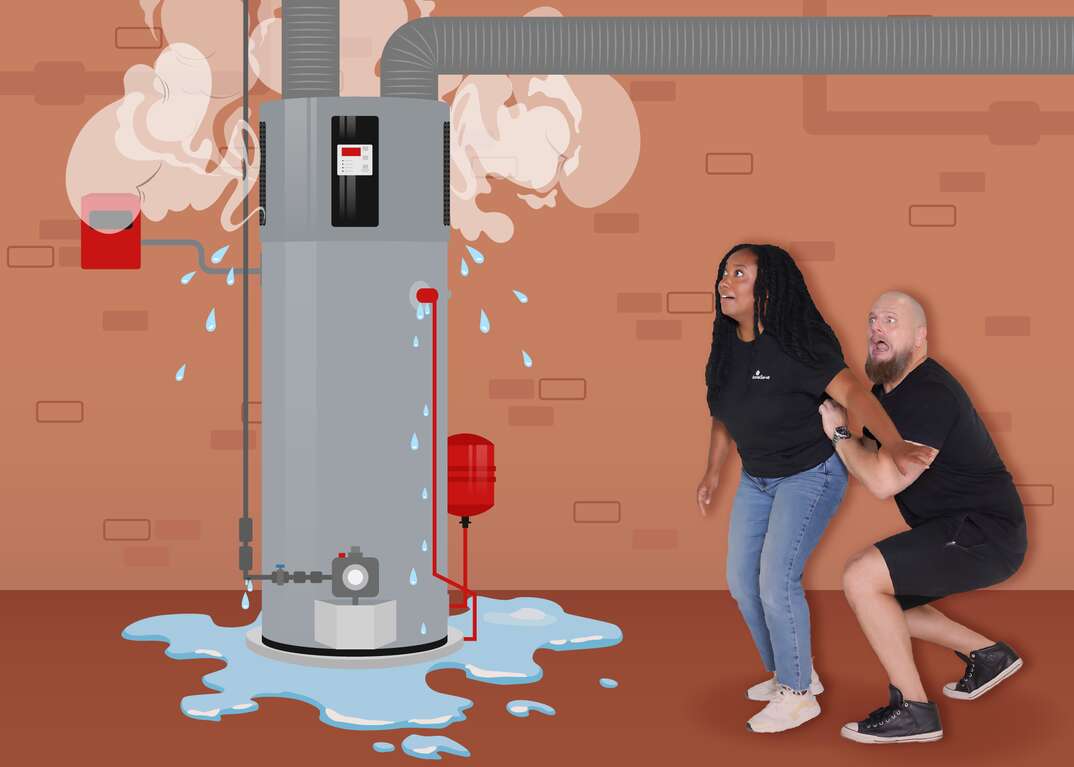
Maintain Your Plumbing System
To keep your plumbing system operating well, one of the best things that you can do as a homeowner is to know exactly what goes down all of your drains. Clogs and blockages are huge causes of plumbing callouts, and preventing them before they accumulate is easier than you might think.
Use your garbage disposal wisely. Avoid sending fires veggie scraps, coffee grounds and goopy, carby leftovers down the shoot. When they get all mixed up together in your pipes, it's a recipe for disaster. You should also avoid pouring fat, oil and grease down the kitchen sink. Even if they’re liquid when you pour them down, they can cool off as they trickle through your pipes and create hardened blockages.
When these globs of fat meet up with all of the things that you shouldn't be flushing down the toilet (which is anything that's not toilet paper and human waste, by the way), they can create huge “fatbergs” that can cause serious problems in your sewer line.
To keep your plumbing maintained, make sure to do these periodic tasks:
Get your septic tank pumped every three to five years.
Check for leaks often, especially in cold weather.
Locate all the plumbing shut-offs in your house, and test the valves to ensure they work properly.

Don’t Forget About HVAC Tune-Ups
All that said, you may still need to outsource some of the work of keeping your home systems on track. For instance, you should opt for a professional furnace tune-up in the fall, before you crank up your heat, and an AC tune-up in the spring, before summer temps rise.
During an HVAC tune-up, a technician will usually lubricate moving parts, clean components and do a full assessment of the mechanical side of your furnace or air conditioner to make sure it's in tip-top shape. An HVAC tune-up typically costs the homeowner around $115 to $200 — a small price to pay compared to the cost of repairing or replacing an HVAC unit. If your unit is well-maintained, you can expect fewer breakdowns and a longer lifespan.
How to Budget for an Emergency
Some homeowners follow the "1% rule" for home repairs and maintenance, which means saving 1% of your house's value for your home repair budget each year. If your home is valued at $450,000, for example, you should set aside at least $4,500, just for home-related costs. However, this figure may not be enough for houses older than 10 years old. It could be worth setting aside up to 4% for older or poorly maintained homes.
But that 1% to 4% may not cover emergency repairs or replacements — like a brand-new HVAC system, roof replacement or a major sewer line repair. Replacing a sewer line could cost almost $4,000, and you could shell out up to $5,400 for a new furnace. New roofs can cost up to $12,000.
Saving an extra 1% to 3% each year can help you plan for major, unexpected costs like these.
View Plans in Your Area
Follow us
Popular


Oct 04, 2025

Apr 26, 2021
Get the latest news, tips and promotional messages, including special offers.