
Follow us


What Are the Different Types of Radiators?
By Rowan Guthrie
June 06, 2024
Radiators are an integral part of any central heating system, providing warmth and comfort during the colder months.
This May Also Interest You: It’s Too Hot in Here! How to Turn Down Your Radiator
Therefore, when it comes to heating your home efficiently and effectively, understanding the different types of radiators available is crucial.
8 Types of Radiators
Column Radiator
What it is: Column radiators consist of vertical columns that facilitate heat transfer for both functional heating and decorative appeal.
How it works: Hot water circulates through the columns, providing efficient heat distribution while adding a classic aesthetic to the room.
How it's different: Column radiators offer a timeless look reminiscent of traditional cast iron radiators, making them a popular choice for homeowners seeking both style and modern functionality.
Single Panel Radiator
What it is: Single panel radiators consist of a single panel hot water flows through to emit heat into the room.
How it works: Hot water circulates through the single panel, transferring heat to the surrounding air.
How it's different: Single panel radiators are compact and suitable for smaller spaces or rooms with limited wall space.
Double Panel Radiator
What it is: Double-panel radiators feature two panels for increased heat output compared to single-panel radiators.
How it works: Hot water travels between the two panels, maximizing heat distribution throughout the room.
How it's different: Due to their enhanced heat output, double-panel radiators are ideal for larger rooms or areas prone to high heat loss.
Convection Radiator
What it is: Convection radiators feature fins or panels to increase heat output through convection.
How it works: Heat is transferred to the surrounding air as hot water circulates through the radiator, creating a natural airflow pattern.
How it's different: When convection radiators warm up, air near the surface heats up and rises, and cooler air flows in to replace it, creating a continuous cycle of warm air rising and cool air sinking.
More Related Articles:
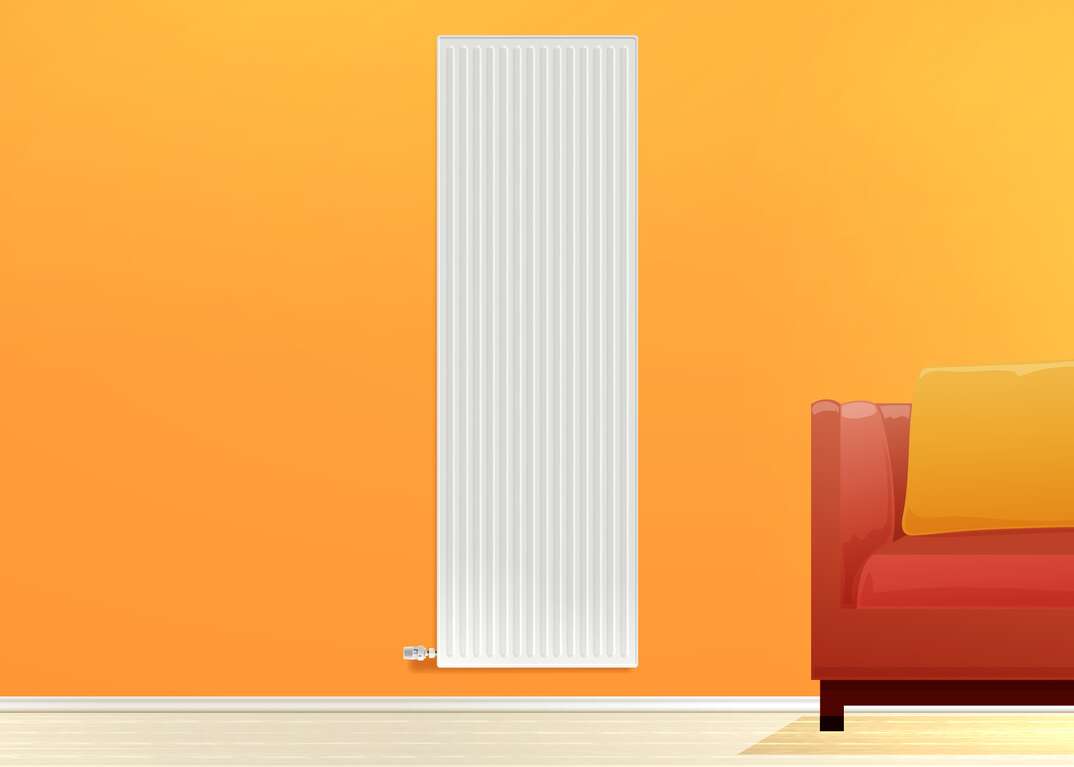
Vertical Radiator
What it is: These space-saving alternatives to traditional horizontal radiators are installed vertically on walls, maximizing floor space.
How it works: Vertical radiators function similarly to their horizontal counterparts but are designed to stand tall rather than stretch wide.
How it's different: They're particularly advantageous in rooms with limited wall space or unconventional layouts, as well as lending a contemporary aesthetic to modern interiors.
Designer Radiator
What it is: Designer radiators combine functionality with contemporary design, offering a stylish alternative to traditional options.
How it works: These radiators come in various shapes, sizes and finishes, serving as statement pieces in interior design while providing efficient heating.
How it's different: Designer radiators allow you to customize your heating solution according to your aesthetic preferences, adding visual interest and sophistication to any space.
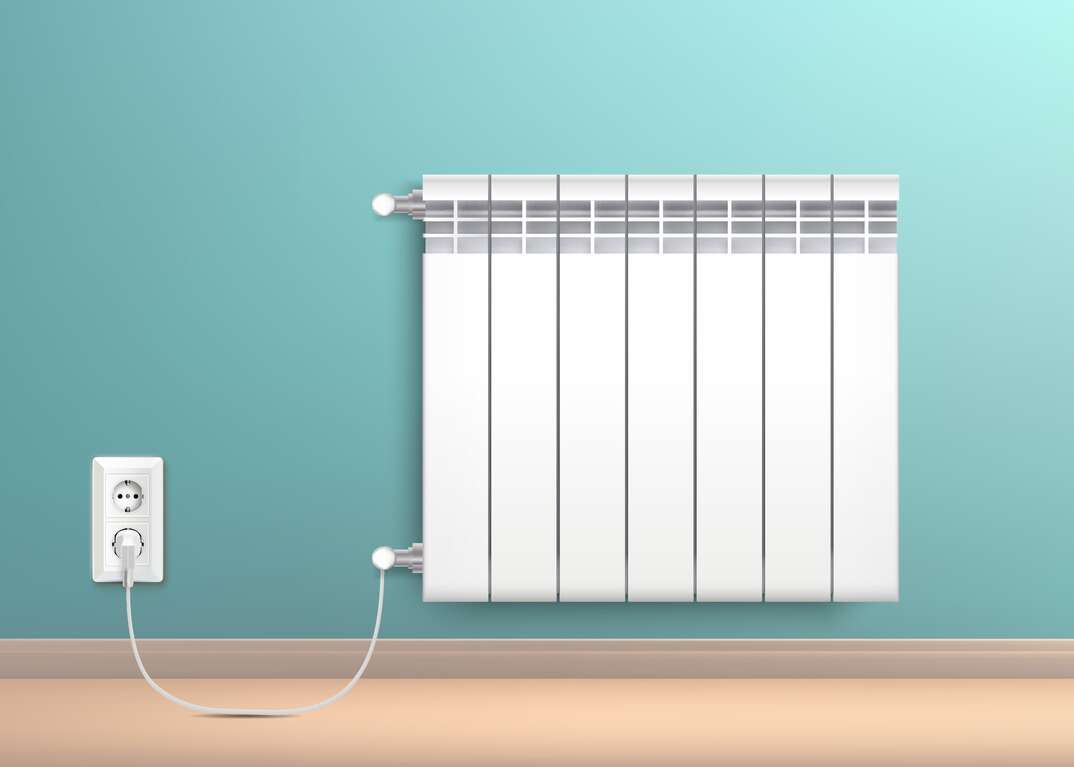
Electric Radiator
What it is: Electric radiators operate independently of a central heating system, making them versatile heating solutions for both primary and supplementary heating needs.
How it works: Electric radiators contain heating elements that convert electrical energy into heat and can be controlled individually, allowing users to adjust the temperature of specific rooms without affecting the entire house.
How it's different: Unlike traditional radiators, electric radiators don't require a boiler or pipes for operation, offering greater flexibility in installation and placement.
Cast Iron Radiator
What it is: Known for their durability and timeless appeal, cast iron radiators are classic heating fixtures commonly found in historic homes and buildings.
How it works: They retain heat efficiently due to the material's thermal conductivity, providing a steady and consistent warmth by circulating hot water or steam through interconnected sections and radiating heat into the surrounding space.
How it's different: Cast iron radiators offer a vintage charm and architectural elegance that can enhance the character of traditional and contemporary interiors alike, and their robust construction ensures they can withstand years of use and remain a focal point in any room.
A Quick Note About BTUs
Let’s end by discussing an acronym you will come across when shopping for radiators. BTU stands for British Thermal Unit. It’s a unit of measurement used to quantify the amount of heat energy required to increase the temperature of a pound of water by 1 degree F.
In the context of radiators, BTU determines the heating capacity needed to effectively warm a room. Factors such as room size, insulation and desired temperature influence the BTU requirements for selecting an appropriate radiator.
View Plans in Your Area
Follow us
Popular


Oct 04, 2025

Apr 26, 2021
Get the latest news, tips and promotional messages, including special offers.