
Follow us


Why Is My Furnace Blowing Cold Air?
By Mark Soto
December 24, 2024
Furnaces are in charge of heating your home, so when you feel a cool breeze blowing through your vents, it's natural that that might set off some alarm bells.
This May Also Interest You: Why Is My Heater Not Working?
If you feel cold air coming from the vents, the issue may not always be due to the furnace. Cold air can be caused by other systems — or it may not be an issue at all.
There's Something Off With the Thermostat Settings
Before determining that the furnace is the problem, check if the thermostat settings are incorrectly set. Make sure you haven’t accidentally set the thermostat to air conditioning instead of heating, which can cause the furnace to blow cold air. Another thermostat setting to look into is the fan setting. If the fan is set to ON, the furnace blower will continue to run even when it’s not heating. Turn the thermostat fan to AUTO instead so that the furnace blower only runs when the furnace is heating the air.
Even if the settings are correct, sometimes you might have a faulty thermostat. If you have an old thermostat or just recently replaced one, you may encounter this issue. Call an HVAC technician for an inspection to determine where the fault lies.
The Pilot Light Doesn’t Work
If you have an older furnace, then the pilot light typically always needs to be lit. When the light goes out, it can cause the furnace to blow cold air or not blow any air at all. Look at the manufacturer manual to learn how to relight it. It’s possible that the light might go out again shortly after relighting it again. If that happens, you probably need to do routine maintenance on the pilot, like cleaning the pilot light orifice and removing any dust that might prevent a flame. The entire pilot light assembly component may also need to be fully replaced if damaged. More modern furnaces don’t use a pilot light and instead rely on electronic ignition systems to work. It might be time for an upgrade if you’ve had your furnace for 15 years or longer.
There's a Lack of Fuel
Since furnaces that use natural gas are connected to the area’s utility line, you don’t need to worry about a lack of gas but more than likely a faulty gas valve or the gas utility line. The first thing to check is that you haven’t accidentally turned off the furnace shut-off valve by accident. You can also check your home’s shut-off valve, which is typically located outside your home, but it’s less likely to be the reason. Most of the time, it’s best to let experienced professionals inspect the utility line instead of messing around with it since it’s quite an expensive repair. If your furnace uses propane to run and you’ve run out of propane in the tank, you’ll need to get that refilled. Check that the oil filter isn't clogged for oil furnaces since that might lead to insufficient oil to power the furnace.
Your Furnace Is in the Start-Up Process
Furnaces don’t instantly start to release warm air right away, and the start-up process might take some time. Any air already in the ductwork might already be cool, and that’s what you might feel at first before the treated warm air of the furnace gets released. In the same way that you need to wait for warm water to come out of the shower when you first start it up, you may need to do the same for the furnace. This typically should only happen at the beginning of the heating process. If it’s been more than five minutes and cold air continues to come out of your air ducts, then there is likely an issue.
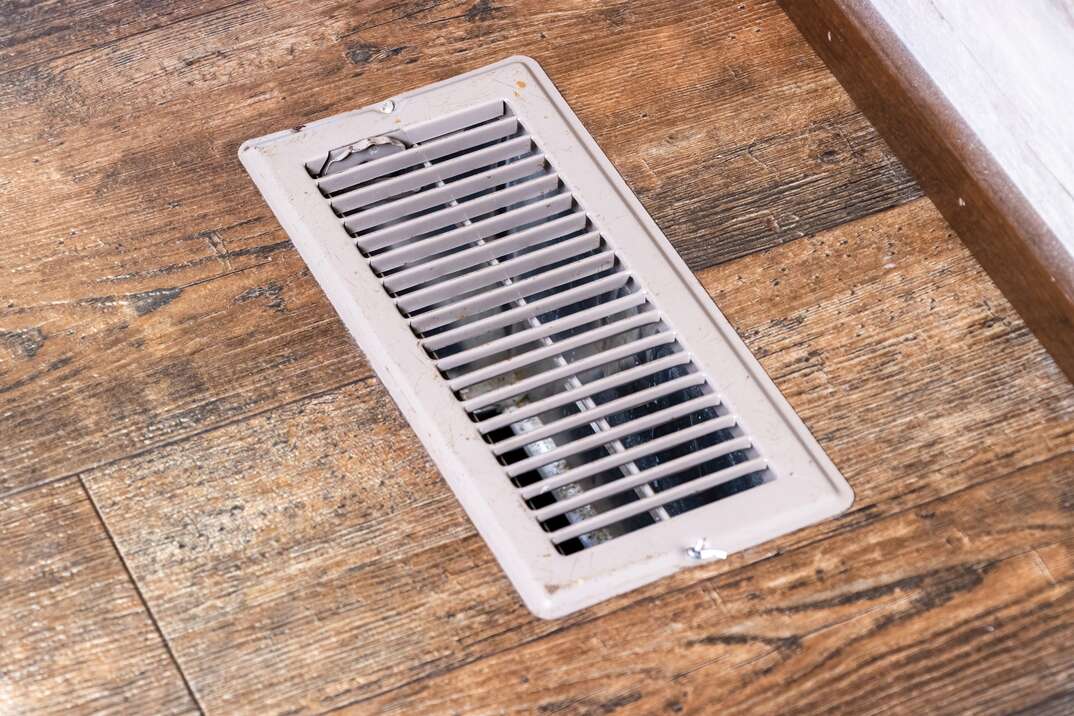
The Furnace Is Overheated
If you’re wondering why your gas or electric furnace is blowing cold air, it might be overheated. The main reason why a furnace can overheat is due to a clogged furnace filter. When the filter is clogged, it can restrict the airflow and require the furnace to spend more energy heating up your home. Look at the furnace manual to learn how to replace the filter and what type of filter it uses. A furnace blower motor can also overheat due to dust buildup or just as it grows old and stops working as before. If that's the case, the furnace blower motor will need to be replaced.
More Related Articles:
You've Got a Faulty Flame Sensor
Another thing to consider is whether the flame sensor is faulty or dirty. The flame sensor is a device that checks if the furnace flame is lit and turns off the furnace if it’s not. This prevents any carbon monoxide or other harmful gases from being built up when the furnace is not in use. The flame sensor can get dirty and not provide an accurate reading of whether the flame is turned on or not. When the furnace burners turn off, you won’t get any warm air. An easy way to fix this is by cleaning the flame sensor yourself. Just turn off the furnace power and gas valve and unscrew the flame sensor to take it out. Use sandpaper to remove any carbon buildup and a paper towel or cloth to remove any debris.
The Furnace Fan Is Malfunctioning
The furnace fan is located inside the burner and is responsible for blowing the warm air from the furnace into your ductwork. If the furnace burners get turned off but the fan remains on, it can cause untreated air to flow through your ducts, leading to cold and even dirty air entering the space. If the fan is always on, it will continuously release air into your ductwork and can cause problems. This is a mechanical issue that most professionals can solve, or it may be due to other malfunctioning components inside the furnace that need replacement, like the limit switch or blower motor.
There's an Issue With the Furnace's Computerized Controls
Modern furnaces are controlled by a furnace control board that tells it when to turn off and on based on default heating settings or custom ones you’ve set. Sometimes, the control board might be faulty and require a replacement. Like the popular way to fix computer issues, try turning off the furnace for a minute or two and then turning it back on. There might be a simple glitch in the system that a restart can fix, but if not, call a professional. The computer also uses sensors around the furnace that tell it the current temperature and airflow, so if those sensors aren’t working then the computer won’t function correctly either.
The Heat Exchanger Is Cracked
While a cracked heat exchanger can be responsible for cold air, it can also cause more serious problems. A cracked heat exchange can release carbon monoxide into your home and other harmful gases. Some signs that the heat exchanger in your furnace is cracked or damaged include a carbon monoxide detector going off, a yellow pilot light flame, strange smells from the furnace, or soot buildup. It’s best to call a professional and leave the home if you notice this problem.
View Plans in Your Area
Follow us
Popular


Oct 04, 2025

Apr 26, 2021
Get the latest news, tips and promotional messages, including special offers.