
Follow us


Pink Slime in Your Shower? You're Going to Want to Read This
By Hannah Wickford
March 02, 2026
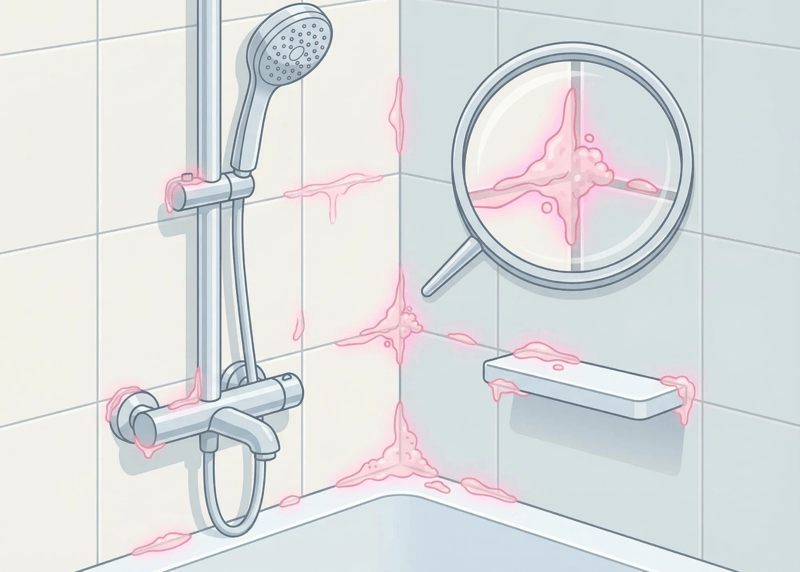
You step into your freshly cleaned shower, only to spot it again — that mysterious pink slime in the shower creeping along your tile grout or clinging to your shower curtain. Before you panic and call an exorcist, take a deep breath.
This May Also Interest You: How to Use a Dehumidifier
That pink stuff isn't mold, and it's not a sign your water supply has gone rogue. It's actually a common bathroom invader that most homeowners battle at some point. Let's dive into what it is, why it loves your bathroom so much and, most importantly, how to kick it to the curb for good.
Ew! What Is That Slime in My Shower or Bathtub?
Is the Pink Stuff Mold?
Despite what you might think, that pink film in your bathroom isn't actually mold at all. The most common culprit is an airborne bacterium called Serratia marcescens. This naturally occurring bacterium produces a reddish pigment called prodigiosin, which gives it that distinctive pink, orange or sometimes reddish appearance.
Serratia marcescens is found pretty much everywhere in the environment, including in soil, dust, water and even in the air. It's not picky about where it sets up shop, but it does have a favorite hangout: your bathroom. The bacteria create what scientists call a biofilm, which is essentially a slimy protective layer that helps it stick to surfaces and multiply rapidly.
How It Forms
So why do shower bacteria love your bathroom so much? The answer comes down to three things it needs to thrive: moisture, warmth and food. Your bathroom provides all three of these in abundance.
Serratia marcescens feeds on phosphorus-containing materials and fatty substances, according to municipal water authorities. Translation: it loves soap scum, shampoo residue and body oils, which are all the things that accumulate in your shower. The bacteria are airborne, meaning they float through the air and land on damp surfaces where they can feed and multiply.
The problem often gets worse in humid climates or homes with poor bathroom ventilation. Some sources note that people who use water filtration systems that remove chlorine from their water supply may see this issue more frequently since chlorine normally keeps these bacteria in check.
Is Serratia Marcescens Dangerous?
Here's the good news. For most people, Serratia marcescens is relatively harmless. If you're generally healthy, contact with the bacteria during your daily shower routine shouldn't cause problems.
However, there are some important exceptions. Research shows that Serratia marcescens can cause infections in people with weakened immune systems, the elderly, young children and those recovering from surgery. In hospital settings, the bacteria has been linked to urinary tract infections, wound infections and pneumonia in vulnerable patients.
If you have pets, immunocompromised family members or young children in your home, you'll want to be extra diligent about removing this bacteria and preventing its return.
How Do You Clean Pink Shower Bacteria in the Bathroom?
Ready to remove pink slime from your bathroom? The good news is that with the right approach, you can clean shower slime effectively and take steps to prevent pink biofilm from returning.
Tools and Materials Needed
Chlorine bleach, like Clorox
Spray bottle
Scrub brush or sponge
Rubber gloves
Eye protection
Clean cloths or paper towels
Squeegee (optional)
Step-by-Step Cleaning Instructions:
Step 1: Protect yourself. Put on rubber gloves and eye protection before you begin. Also, open windows or turn on your bathroom fan to ensure proper ventilation.
Step 2: Remove loose debris. Scrub the affected surfaces with a brush and regular bathroom cleanser to remove soap scum and any loose bacterial growth.
Step 3: Apply bleach solution. Mix a solution of chlorine bleach and water following the product label for proper dilution ratios. Pour the solution into a spray bottle and thoroughly spray all affected areas where the pink slime has formed.
Step 4: Let it sit. According to cleaning experts, leave the bleach solution on the affected surfaces for 10 to 20 minutes to allow it to fully disinfect and kill the bacteria.
Step 5: Rinse thoroughly. After that 10 to 20 minutes, rinse all surfaces thoroughly with clean water to remove the bleach solution.
Step 6: Dry surfaces thoroughly. Use clean cloths or paper towels to dry the cleaned areas. This removes the moisture that bacteria need to grow.
More Related Articles:
Pink Residue Prevention Tips
Once you've cleaned your bathroom, here's how to keep the pink slime from coming back:
Improve ventilation. Always run your bathroom fan during and after showers. If you don't have a fan, open a window to reduce humidity.
Dry surfaces. After each shower, use a squeegee or towel to wipe down wet surfaces. This removes the moisture that bacteria need to survive.
Clean regularly. Establish a weekly cleaning routine for your bathroom. Regular cleaning prevents bacteria from establishing colonies.
Wash shower curtains. If you use a fabric shower curtain, toss it in the washing machine regularly. For plastic curtains, wipe them down weekly with a disinfecting cleaner.
Keep windows closed while showering. Since the bacteria is airborne, keeping windows closed during showers can help reduce the amount that enters your bathroom.
Reduce soap buildup. Rinse walls and fixtures after each use to minimize the soap scum and shampoo residue that feeds the bacteria.
The Bottom Line
Remember that even with diligent prevention, pink slime can still reappear since the bacteria is naturally present in the environment. The key is managing it through regular cleaning rather than expecting to eliminate it permanently. Don't get discouraged if you spot those pink streaks again after a few weeks. It's a normal part of bathroom maintenance for millions of homeowners. The good news is that once you establish a cleaning routine and improve your bathroom's ventilation, you'll likely see the pink slime less frequently and in smaller amounts.
With these strategies in your cleaning arsenal, you can keep your bathroom looking fresh, protect vulnerable family members from potential health risks and minimize those unwelcome pink visitors. And if you're dealing with persistent moisture issues that seem to encourage bacterial growth beyond normal levels, it might be worth having a plumber check for leaks or ventilation problems that could be contributing to excess humidity in your bathroom.
View Plans in Your Area
Follow us
Popular


Oct 04, 2025

Apr 26, 2021
Get the latest news, tips and promotional messages, including special offers.